 マックスオゾン発生器

オゾンは、細菌やウイルスのグルコースの内部変換に必要なグルコースオキシダーゼを酸化し、分解することができます。, and directly interact with bacteria and viruses, 細胞壁を酸化して浸透させる, 細胞小器官とリボ核酸を破壊する, そしてDNAを分解する, RNA, タンパク質, そして脂質. and polysaccharides and other macromolecular polymers, which destroy the metabolism and reproduction process of bacteria and viruses, 細菌やウイルスの命を奪います,オゾンの滅菌 technology is increasingly recognized.
同時に, it can also penetrate the cell membrane tissue, 細胞膜に侵入する, 外膜リポタンパク質と内部リポ多糖に作用します。, 細胞の透過性の歪みを引き起こす, 細胞溶解死を引き起こす, and remove the genes, parasitic bacteria, and parasites in the dead bacteria.
ウイルス粒子, ファージ, マイコプラズマと熱源 (エンドトキシン) 全て溶解され消滅する. 消毒技術が微生物に与える影響の原理を包括的に考察する, それは3つのタイプに分けることができます: 静菌性, bactericidal and bacteriolytic.
オゾンの滅菌 is a bacteriolytic agent that can achieve the purpose of “物体の内部および表面にあるすべての微生物を完全かつ永久に除去します。” And its effect is completed in a short time or even instantly.
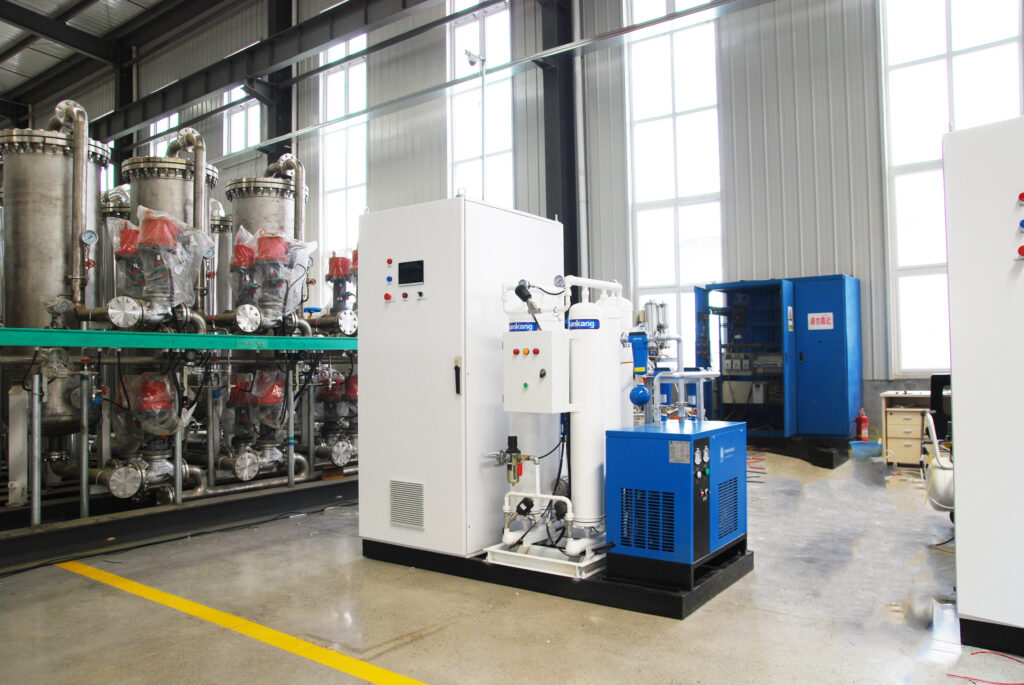
The use of ozone in water treatment
同時に, due to the instability of ozone in water, it decomposes to produce hydroxyl (OH) and monatomic oxygen with extremely strong oxidizing ability (stronger than monatomic oxygen), which can effectively kill various bacteria and viruses in the water. Overseas, ozone is regarded as the most ideal water disinfection and purification agent. Many large water plants commonly use ozone to treat drinking water.
The dosage of ozone in water treatment should be designed based on the physical and chemical properties of the water, degree of pollution, 連絡時間, 等. For the disinfection of domestic water and drinking water, just add 0.1-1mg/L. Generally, add 0.5-1.5mg/L ozone to water bodies and keep the remaining ozone concentration in the water at 0.1-0.5mg/L for 5-10 分.